Nokr — AI CRM
How to price an appliance repair job.
The price is the part of the job the customer remembers. Get it right and they call you again. Get it wrong — in either direction — and they do not.
A fair repair price has four pieces — the diagnostic visit, the parts, the labor, and the tax — said as one number before the work starts. And when the repair is not worth doing, the honest answer is part of the price too.
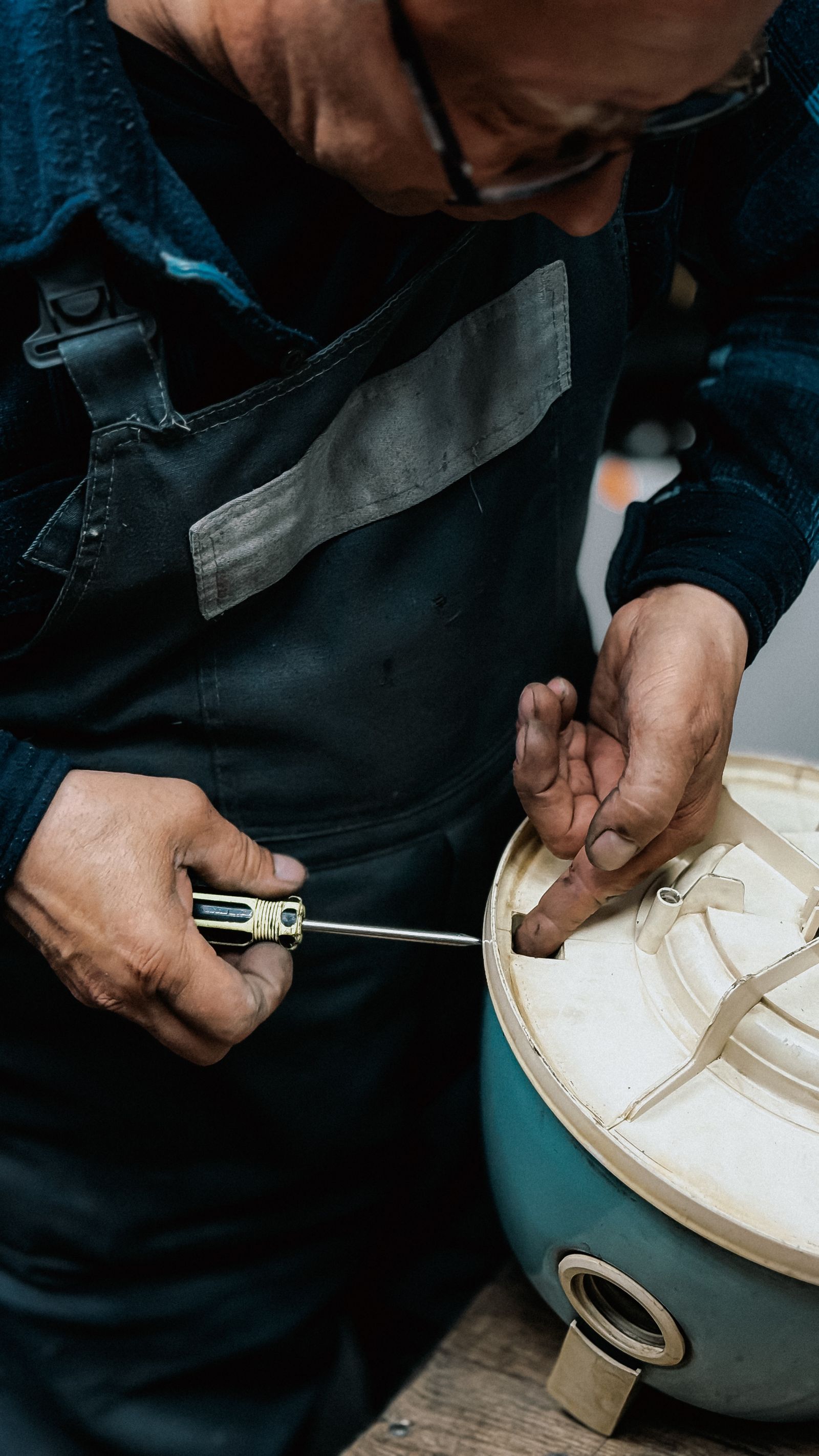
The four pieces of every price
Every repair price is the same four pieces, in the same order:
- The diagnostic — the visit itself: finding what is wrong. A flat fee, the same for every call, so the customer knows it before you drive over.
- The parts — what the part costs you, plus your markup. The markup is not a secret; it is how a shop stays open.
- The labor — the work of taking the machine apart, fitting the part, and putting it back together.
- The tax — on top, plainly stated, not folded in and discovered later.
Nothing else belongs in the number. If the customer has to ask what a line means, the price is not finished yet.
Say the full price before you start
The order matters. You diagnose first, then you say the full price — parts, labor and tax — and the customer agrees to it before anything is taken apart. No work starts on a number the customer has not heard.
And the diagnostic counts toward the repair. If the customer goes ahead, the diagnostic fee is part of the total, not an extra charge stacked on top of it. That is what makes a flat diagnostic fair: the visit is not a second bill. It is the first part of the one bill.
If the customer says no, they pay the diagnostic and nothing else. The visit happened, the fault was found, and that is what they paid for. Nobody likes paying for a visit that ends in a no — but everybody understands it when the rule was said up front.
When the repair is not worth doing
Sometimes the honest price is "do not fix it." The rule I use is simple: if the repair costs more than half of a new machine, say so plainly. Tell the customer the new price, tell them the repair price, and let them decide. Do not dress it up. A customer who hears "it is not worth it" from the person who would have been paid to do it remembers that — and calls the same person next time.
The same goes for a part that is no longer made, or a machine that is worn out. If the fix does not make sense, say so. The diagnostic is still paid — the visit happened — but the customer leaves knowing they were told the truth, not sold a repair.
How Dana recommends a price
In Dana chat, you can ask for a price for a job — and Dana recommends one. It looks at what the job needs and suggests a number. It is a recommendation, not a quote: you decide whether to use it, change it, or ignore it. The point is that the number comes from the job itself, not from a guess made on the phone with no information.
That is the same habit as the rest of pricing: the price should come from the work, not from the moment. A number you can explain is a number a customer can accept.
What to ask before you trust a price
- Does it show all four pieces? A price with a missing piece is a price that grows later.
- Was it said before the work started? A price agreed after the machine is apart is not an agreement.
- Does the diagnostic count toward the repair? If it is stacked on top, the customer is paying for the visit twice.
- Does it say when not to repair? A price that never says no is a price that never tells the truth.
How Nokr approaches it
Dana recommends a price for a job in chat, and the parts search shows wholesale and retail prices at once, so the parts piece of the price is grounded in real numbers. The invoice carries the same number the customer agreed to. Read Dana agent, Parts search & ordering and Payments, booking & portal.
Features checked 2026-11-15.
Questions
The diagnostic visit, the parts, the labor, and the tax — said as one number before the work starts, so the customer agrees to it before anything is taken apart.
Yes. If the customer goes ahead with the repair, the diagnostic is part of the total, not an extra charge on top. That is what makes a flat diagnostic fair.
When the repair costs more than half of a new machine, say so plainly and let the customer decide. A part that is no longer made, or a machine that is worn out, is the same story.
See also: The best CRM for an appliance repair business · How to track parts inventory and van stock · AI diagnostics for appliance repair · Dana agent · Parts search · Pricing · Roadmap